
Designing a Scalable Digital Infrastructure for Second Life e.V.
Abstract
Environmental NGOs operate in a credibility-critical environment. Intent alone is no longer sufficient; institutions, donors, and the public increasingly expect verifiable impact, traceable operations, and professional communication standards comparable to those of public agencies.
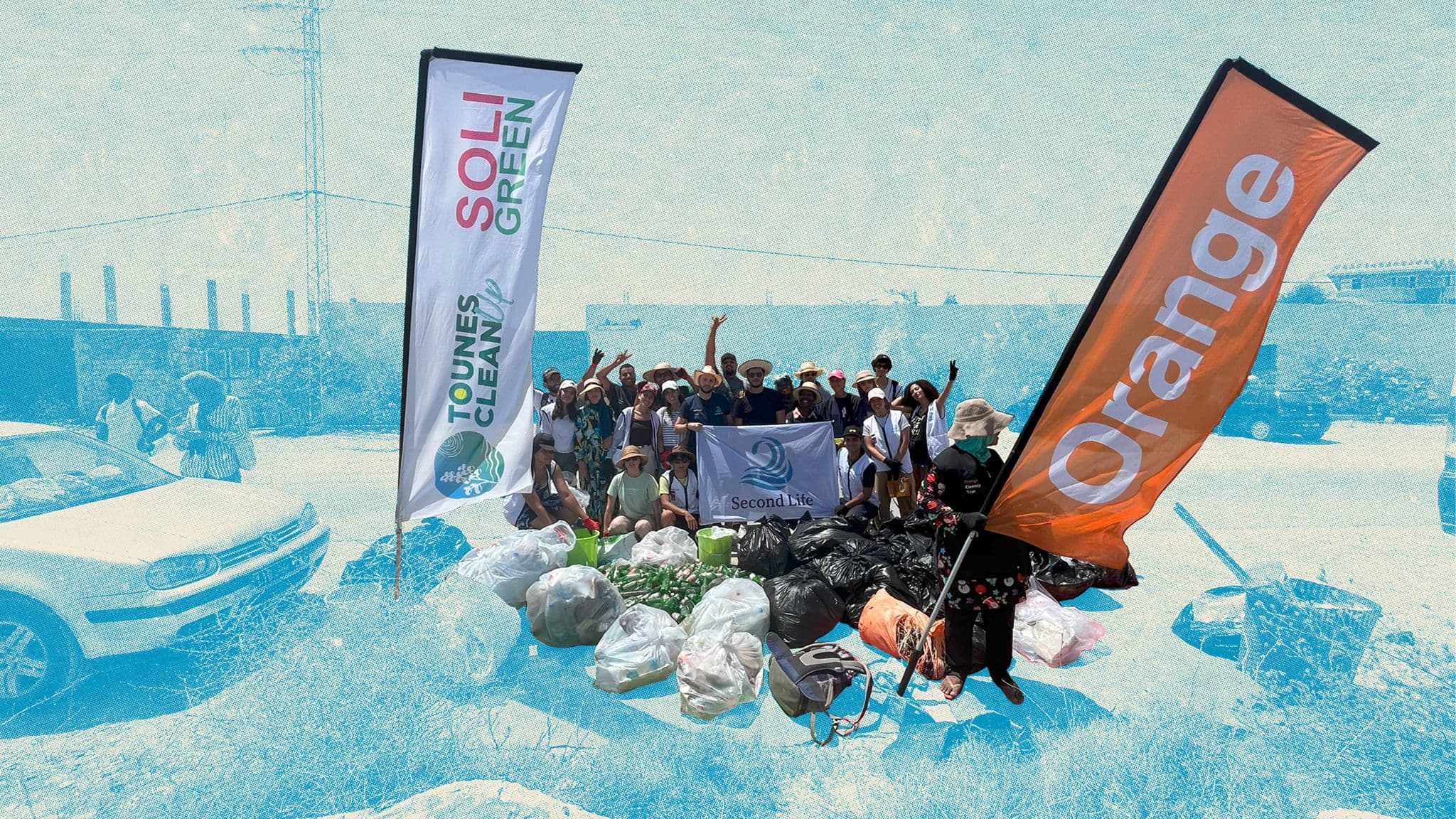
Project Scope and Objectives
The project was framed as the creation of a digital operating system for impact communication, guided by four objectives:
- Structural clarity aligned with real operations
- Credibility encoded into design and content
- Long-term scalability and maintainability
- Cross-media coherence across all public artifacts
Project Phases
Phase 1 — System Mapping
The project began with a comprehensive mapping of Second Life e.V.’s organizational reality. Core functions such as missions, policy work, media operations, and governance structures were analyzed as interconnected systems rather than isolated activities. In parallel, key stakeholder groups—including volunteers, donors, institutional partners, and the general public—were identified and examined in terms of their informational needs and trust expectations. Particular attention was paid to content lifecycles, tracing how field activities evolve into documented evidence, public communication, and formal publications. This phase established the structural foundation for all subsequent design and technical decisions.
Phase 2 — Architecture & Design Logic
Building on the system mapping, the second phase focused on defining a modular information architecture that accurately reflects how the organization operates in practice. Communication principles were deliberately evidence-first, ensuring that claims, outcomes, and narratives could be traced back to verifiable sources. A clear structural separation was introduced between storytelling, factual reporting, and advocacy content, allowing each to function within its appropriate ethical and institutional context. This design logic ensured clarity, credibility, and long-term scalability across all content types.
Phase 3 — Technical Implementation
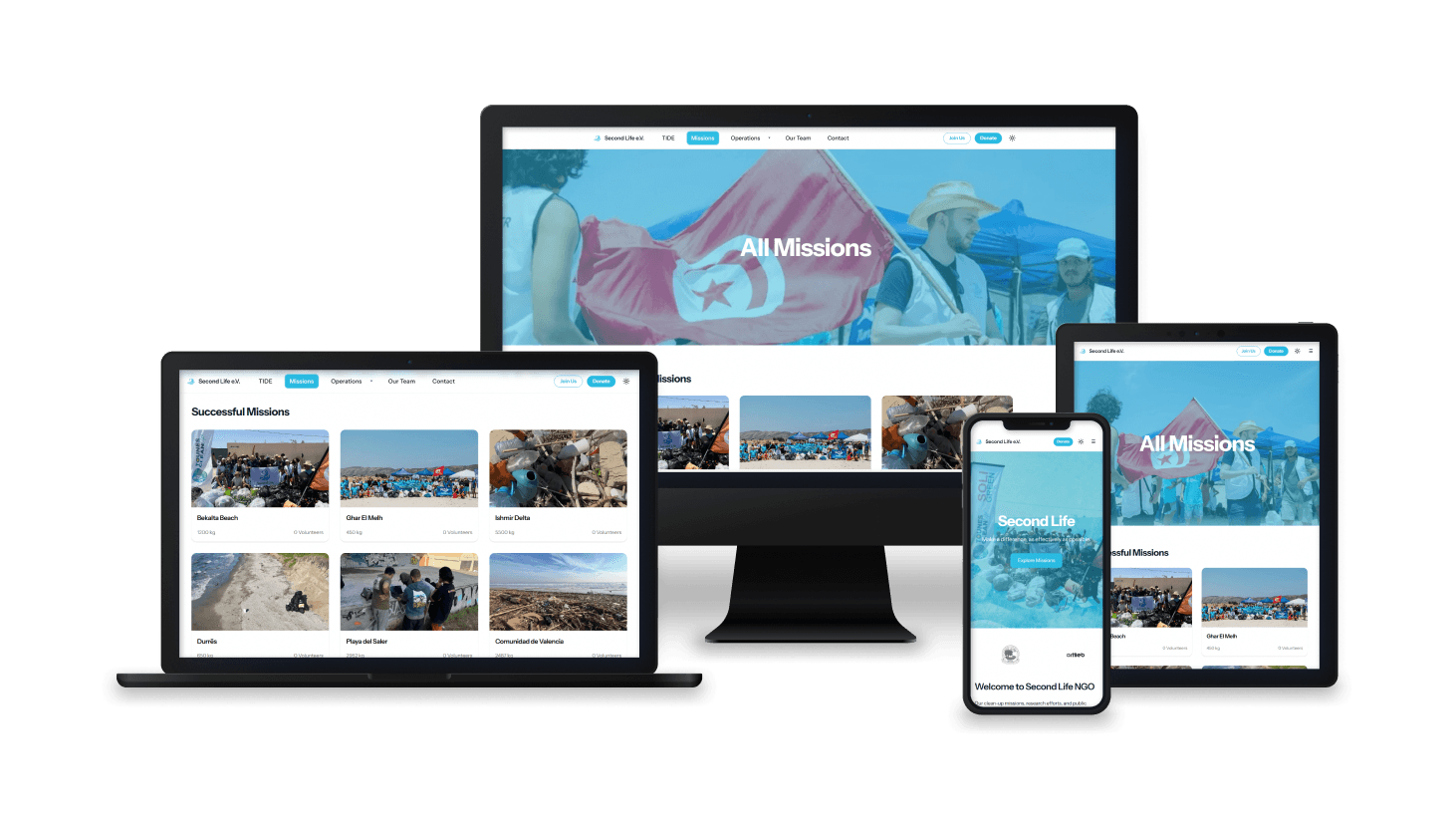
The architectural principles were translated into a modern technical foundation through the implementation of a component-based frontend system paired with a structured headless content management system. This setup enables consistent presentation, high performance, and flexible content governance without compromising editorial control. Accessibility and performance standards were treated as baseline requirements rather than optional enhancements, aligning the platform with contemporary expectations for inclusive, resilient digital infrastructure.
Phase 4 — Media & Publication Systems
The final phase extended beyond the website itself to encompass Second Life’s broader media and communication ecosystem. Publication layouts were designed to meet policy and institutional standards rather than marketing conventions, supporting citation, sharing, and formal use. Editorial pipelines were established for recurring formats such as reports, podcasts, and policy briefs, creating predictable and maintainable workflows. Cross-platform media templates ensured that all outward-facing communication—across web, social media, and publications—follows a consistent visual and narrative logic.
Information Architecture
Activities are structured as traceable missions, each containing:
- Location and context
- Quantified outcomes
- Visual documentation
- Connection to strategic goals
This transforms episodic action into cumulative, auditable impact.
Compact overview
What this page covers
A machine-readable overview with context, audiences, suitability and the most common questions.
Second Life NGO is a Mitterberger:Lab case study showing how complex digital challenges were addressed through UX, product thinking, software engineering, or AI. The context relates to Second Life e.V..
Best fit for
- Teams facing similar product or system problems
- Organizations with complex stakeholder structures
Contexts
- digital products
- service organizations
Useful when
- similar problems exist in established digital systems
- an organization needs concrete examples of complex product work
Less suitable when
- only generic references without delivery context are needed
Relevant signals
- Short description: The project encompassed the redesign and implementation of a modular website infrastructure and governance.
- Applied services: Accessibility Audit (WCAG 2.1+), Design & Interface Review, Product & Platform Analysis.
- Linked to knowledge topics such as Long-Term Value Over Short-Term Optimization, Trust & Psychological Safety, Learning Over Optimization.
- Project period: 2025-2026.
Common questions
- What does the Second Life NGO case study show?
- Second Life NGO shows how Mitterberger:Lab approached a concrete digital problem in real organizational and system context.